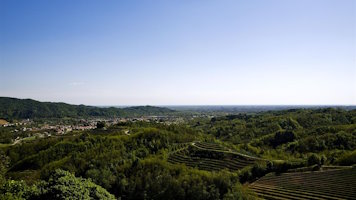
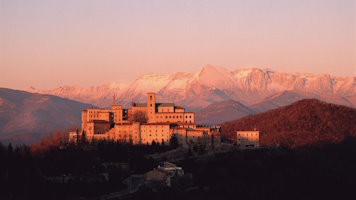
The town is made up of the Upper and Lower villages, characterized by grouped buildings, mostly restored after the 1976 earthquake. Platischis is first mentioned in 1296, during the patriarchal dominion and jurisdiction of the Attimis family, which continued until the Venetian period. From 1802 to 1932, Platischis was the municipal seat, then transferred to Taipana. The rural buildings were characterized by the wooden balcony and loggia; two have the main facade with stone pillars and rise three stories high with brackets that support the wooden scaffolding of the loggias above the ground floor portico, with racks formerly used for drying agricultural products; in the portico on the ground floor there is a stone staircase leading to the upper floor. In the Upper village, there is a stone tub called “korito” (1875), crafted by the artisan Giacomo Debellis. The wide and deep valley that separates the towns of Platischis and Prossenicco is crossed by the Namlen stream, which, having collected the waters of the Podjama and Podjauer streams, reaches the Natisone south of the Vittorio Emanuele bridge. The splendid Cukula waterfall, located in the Scaletta area, reaches around 40 meters in height and is enclosed by an amphitheater of vertical walls. Along the Namlen stream are mesophytic broad-leaved forest formations with a rich understory flora, including fox grapes, martagon lilies, lunaria, and abundant snowdrops.